


‘Biometric’ security for smart devices could stop cyber-attacks

Numerous high-profile organisations have recently fallen victim to cyber criminals who have deliberately infiltrated their computer networks and introduced viruses, with devastating consequences.
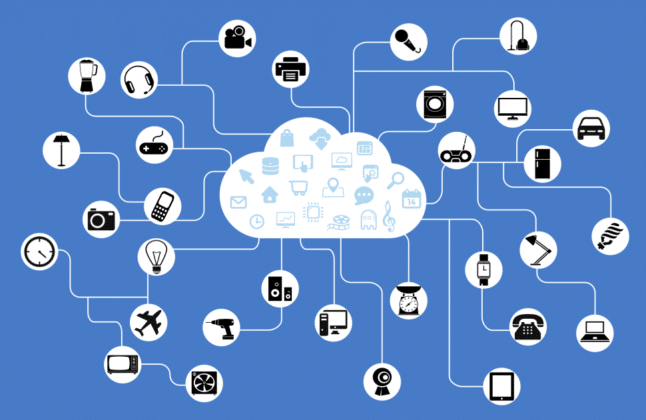
The route in is often through internet-connected smart devices that are insecure. The process of connecting these devices, allowing them to talk to each other and us, is known as the Internet of Things (IoT), but their insecurity can mean organisations are vulnerable to attack and individuals at risk of being spied on. (Read More)

Documents could link Russian cybersecurity firm Kaspersky to FSB spy agency

For years, suspicions that Kaspersky is connected to Russia’s spying apparatus have dogged the company, a leading global seller of anti-virus programs. Founder and CEO Eugene Kaspersky studied cryptography, programming and mathematics at an academy operated by the KGB, the FSB’s Soviet-era predecessor, then worked for the Ministry of Defense.(Read More)
The Cyber Security Risks and How to Protect Against Them

With no plan to analyse and protect such large amounts of data, issues of compatibility occur. Some organisations are slow to perform risk assessments due to fear of what they may find – the associated costs of addressing the vulnerabilities are often high. Once an organisation is made aware of a vulnerability, there is an increased pressure to mitigate.
It is critical to understand the progressive and sophisticated threats that cyberattacks represent to every aspect of a business. We must advance cyber threat detection capabilities and implement robust layered hardware and software protection for networks. (Read More)